
Materials, Packaging & Textiles
Which chocolate box packaging materials offer the best cost-to-quality ratio?
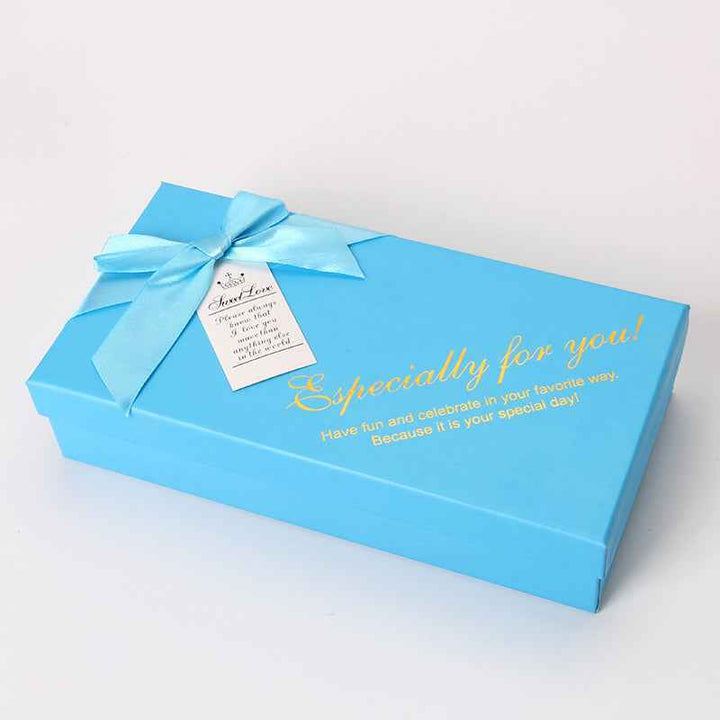
When evaluating the cost-effectiveness of chocolate box packaging materials, laminated cardboard is currently the most widely used and best-balanced solution. According to the cost analysis of the packaging industry in 2023, the cost range of a single standard-sized chocolate box made of 250-gram heavy white cardboard and covered with a matte film is usually between 0.5 and 1.2 US dollars, yet it can provide a visual and tactile texture close to 80% of that of high-end materials. For instance, the brand "Gildeli" extensively employs this material. The compressive strength of its packaging can reach over 50N, effectively safeguarding the integrity of the contents during logistics. Moreover, the cost accounts for only about 5% to 8% of the final product price, achieving excellent cost-benefit control.
For brands that pursue higher environmental protection value and unique touch, molded pulp materials are demonstrating strong competitiveness. Although the initial cost of its individual chocolate box packaging is about 15% to 25% higher than that of ordinary cardboard, it brings a significant brand differentiation advantage. Referring to the molded pulp packaging adopted by Linus in its high-end series, this material is derived from 100% recycled paper, reducing its carbon footprint by 60% compared to plastic-based packaging. Market feedback indicates that over 55% of consumers are willing to pay a product premium of around 10% for this chocolate box packaging that features natural textures and an environmental commitment. This not only covers the additional costs incurred in the early stage but also translates them into extra brand revenue.
 In terms of the selection of transparent materials, PET plastic and recycled PET (rPET) offer different value propositions. The transparency of traditional PET material can reach over 92%, which can perfectly display the products inside. The cost of a single flip-top chocolate box packaging is approximately 0.3 US dollars. However, when using rPET material, the transparency will slightly decrease to 88%, while the cost may increase by 10% to 15%. However, according to a consumer survey conducted in 2024, chocolate box packaging labeled with "30% recycled materials" can increase the purchase intention of the brand among environmentally conscious consumer groups by 30%. This growth means that a small increase in costs can bring about a huge return on market share and brand reputation.
Innovative composite materials are the cutting-edge direction for enhancing the cost-effectiveness of chocolate box packaging. For instance, combining paper with extremely thin biodegradable PLA film not only retains the high-end printability of the paper but also provides moisture-proof functionality, extending the shelf life of chocolate by approximately 15%. Although the cost of this composite material is 20% higher than that of a single material, it optimizes the total cost from the perspective of the entire supply chain by reducing losses during transportation and storage (expected to lower the loss rate by 5%). Viewing chocolate box packaging as a dynamic system deeply integrated with brand strategy rather than a static container is a key mindset shift to maximize its cost-to-quality ratio.
In terms of the selection of transparent materials, PET plastic and recycled PET (rPET) offer different value propositions. The transparency of traditional PET material can reach over 92%, which can perfectly display the products inside. The cost of a single flip-top chocolate box packaging is approximately 0.3 US dollars. However, when using rPET material, the transparency will slightly decrease to 88%, while the cost may increase by 10% to 15%. However, according to a consumer survey conducted in 2024, chocolate box packaging labeled with "30% recycled materials" can increase the purchase intention of the brand among environmentally conscious consumer groups by 30%. This growth means that a small increase in costs can bring about a huge return on market share and brand reputation.
Innovative composite materials are the cutting-edge direction for enhancing the cost-effectiveness of chocolate box packaging. For instance, combining paper with extremely thin biodegradable PLA film not only retains the high-end printability of the paper but also provides moisture-proof functionality, extending the shelf life of chocolate by approximately 15%. Although the cost of this composite material is 20% higher than that of a single material, it optimizes the total cost from the perspective of the entire supply chain by reducing losses during transportation and storage (expected to lower the loss rate by 5%). Viewing chocolate box packaging as a dynamic system deeply integrated with brand strategy rather than a static container is a key mindset shift to maximize its cost-to-quality ratio.
In terms of the selection of transparent materials, PET plastic and recycled PET (rPET) offer different value propositions. The transparency of traditional PET material can reach over 92%, which can perfectly display the products inside. The cost of a single flip-top chocolate box packaging is approximately 0.3 US dollars. However, when using rPET material, the transparency will slightly decrease to 88%, while the cost may increase by 10% to 15%. However, according to a consumer survey conducted in 2024, chocolate box packaging labeled with "30% recycled materials" can increase the purchase intention of the brand among environmentally conscious consumer groups by 30%. This growth means that a small increase in costs can bring about a huge return on market share and brand reputation.
Innovative composite materials are the cutting-edge direction for enhancing the cost-effectiveness of chocolate box packaging. For instance, combining paper with extremely thin biodegradable PLA film not only retains the high-end printability of the paper but also provides moisture-proof functionality, extending the shelf life of chocolate by approximately 15%. Although the cost of this composite material is 20% higher than that of a single material, it optimizes the total cost from the perspective of the entire supply chain by reducing losses during transportation and storage (expected to lower the loss rate by 5%). Viewing chocolate box packaging as a dynamic system deeply integrated with brand strategy rather than a static container is a key mindset shift to maximize its cost-to-quality ratio.
— fin —
Bring the atelier home.
Pastries, viennoiseries, and baking kits shipped from Paris — same-week freshness, in temperature-locked packaging, anywhere in the US.
Avec soin, huanggs